Selling AI-Designed Printables and Planners on Etsy: A Step-by-Step Aussie Guide
A composite seller I'll call Priya, a primary school teacher in Adelaide, made AU$43 in her first month selling AI-designed weekly planners on Etsy. After Etsy's fees, that was closer to AU$34 in her bank account. By month six, with 38 listings and a few hundred sales behind her, she was clearing around AU$680 a month — not life-changing, but a genuine second income that mostly ran itself between uploads.
That gap between month one and month six is the real story here, and it's the part most YouTube videos skip straight past on their way to a "AU$10,000/month" thumbnail. Selling AI printables on Etsy from Australia is a legitimate side hustle, but it comes with currency quirks, fee maths, and tax obligations that US-centric guides simply don't mention.
General information only. Income figures in this article are estimates based on publicly available reports and community discussions — results vary significantly based on effort, niche, and market conditions. This is not financial, legal, or tax advice. For guidance specific to your situation, consult the ATO, a registered tax agent, or a qualified professional.
Why this works as an Aussie side hustle — and where the hype falls apart
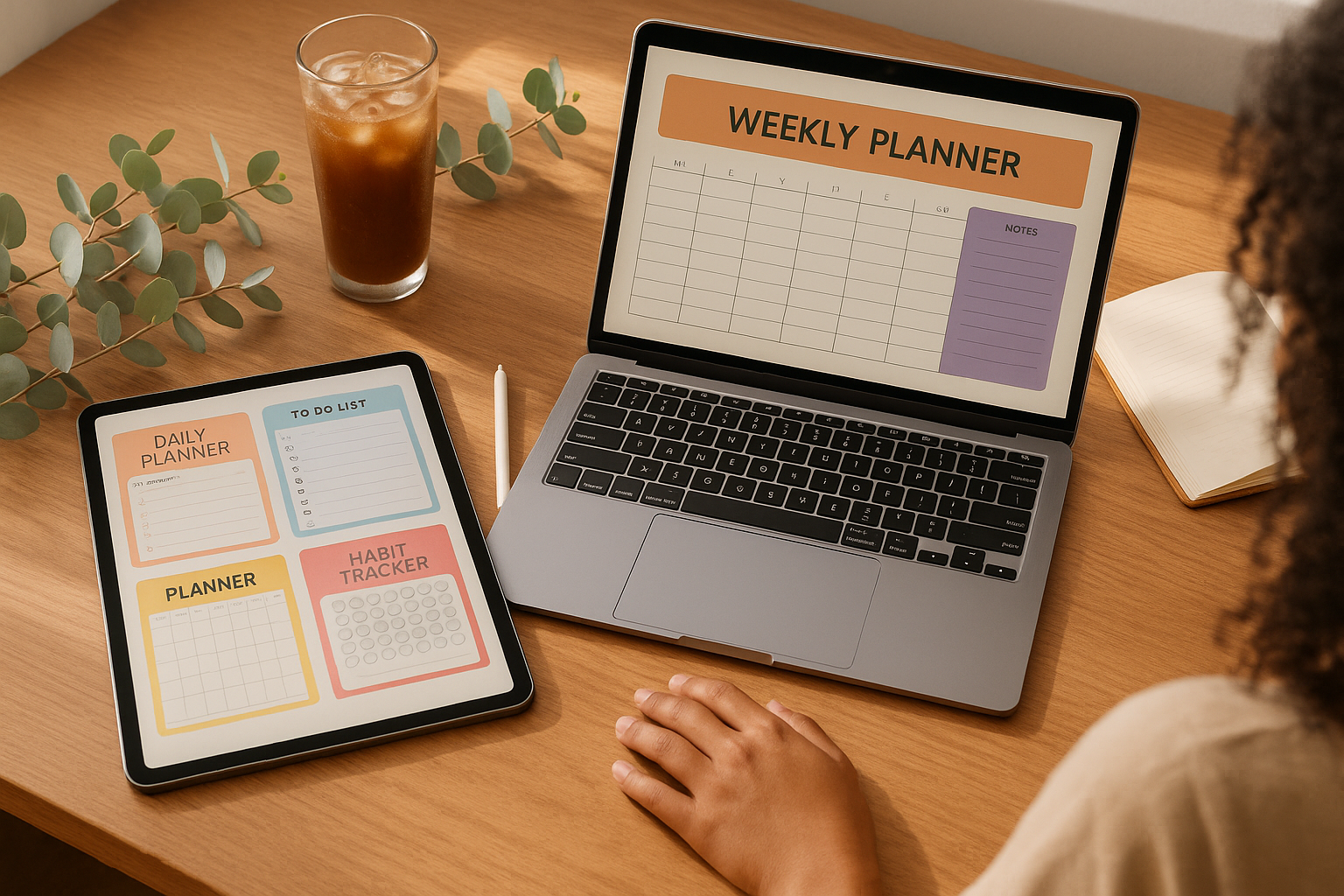
Printables are digital files buyers download and print themselves: planners, budget trackers, wall art, kids' activity sheets, wedding stationery. You design a file once and sell it repeatedly. That "design once, sell many" model is what makes it appealing as ongoing income rather than a job you trade hours for.
The honest catch is that AI tools have flooded this market since 2023. The same prompt that gives you a pretty floral planner gives ten thousand other people the same thing. So the "just type a prompt into Midjourney and get rich" framing is genuinely dead. What still works is treating AI as a speed tool inside a thoughtful, niche-focused workflow — not as the whole business.
Realistically, here's what the Australian numbers look like. In your first one to three months, with a handful of listings and no reviews, expect somewhere between $50 and $200 AUD a month while you're learning the tools and Etsy's search algorithm. Six to twelve months in, with 20–50 active listings, consistent uploads and optimised SEO, $400–$900 AUD a month is a fair target. The top 10% of sellers — niche-dominant shops with 100+ listings, a strong review base, Pinterest traffic and an email list — push into $2,000–$5,000+ AUD a month. That ceiling is real, but it represents people treating this as a serious small business, not a weekend dabble.
What actually sells in the Australian market
Functional planners consistently outperform decorative ones for steady volume — weekly planners, meal planners, budget and debt trackers, ADHD-friendly daily layouts, teacher planners. Seasonal spikes are reliable too: financial-year budget templates in June, Christmas planning bundles from October.
There's a small but real advantage in designing for Australian buyers specifically. AFL season planners, Australian school-term calendars (four terms, not US semesters), and EOFY budget trackers built around our July–June financial year all signal you understand the local market. Most US sellers won't bother, which is exactly why it's worth doing.
The AI toolkit, and what each tool is actually for
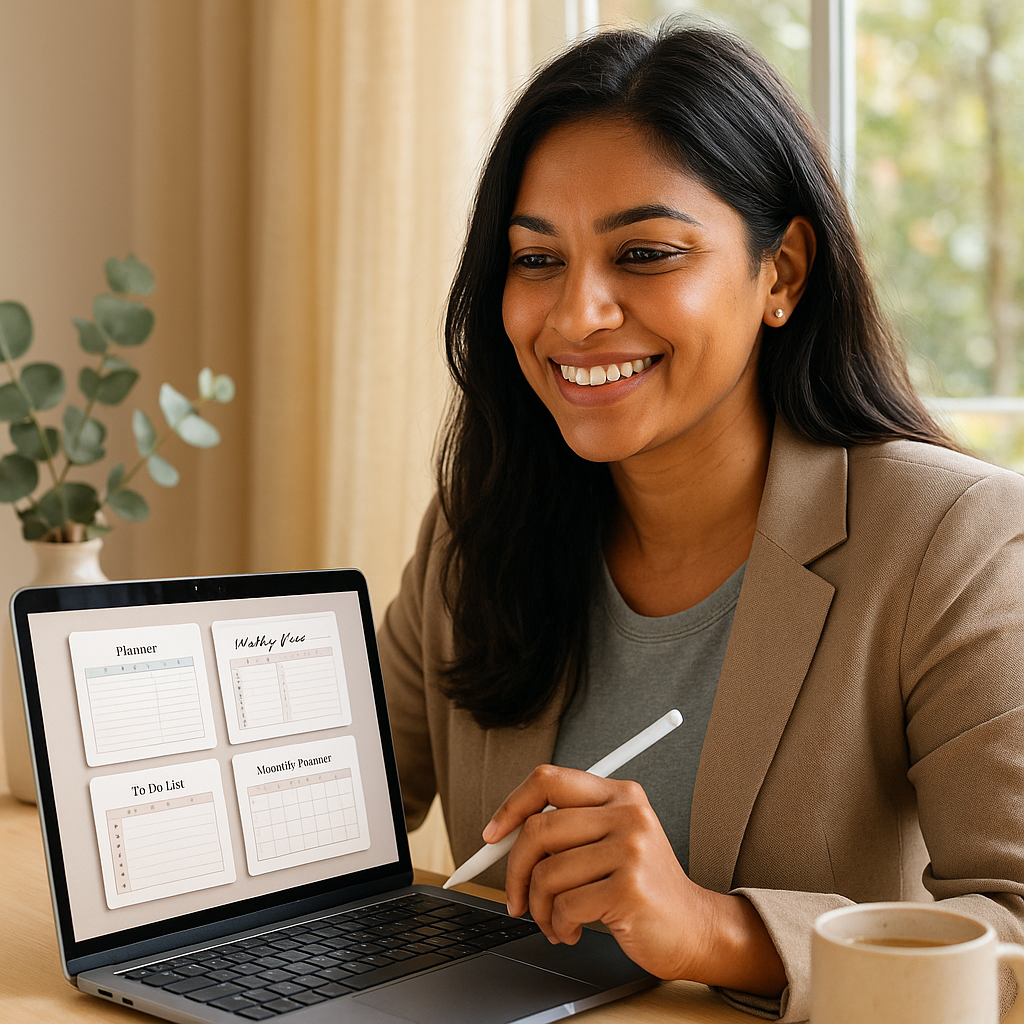
The pipeline that works is less glamorous than the marketing suggests. ChatGPT (the free tier is fine to start; Claude is a solid alternative at whatever the current rate is when you're reading this) handles the thinking — brainstorming niches, drafting SEO-friendly listing titles and tags, writing descriptions. It's genuinely good at this and saves hours.
Canva does the actual design work. For functional planners, Canva's template system is faster and more practical than any image generator, and Canva Pro (around AU$22/month — a real cost US guides quote in USD and understate) unlocks the better templates and bulk features. Image generators like Midjourney's paid plan (see their site for current pricing) and DALL·E earn their keep on decorative printables — wall art, nursery prints, digital illustrations — rather than grid-based planners. If decorative art is where you're leaning, it's worth reading the companion piece on selling AI-generated art on Etsy from Australia with Midjourney, which goes deeper on that side.
Idea to finished PDF: the actual steps
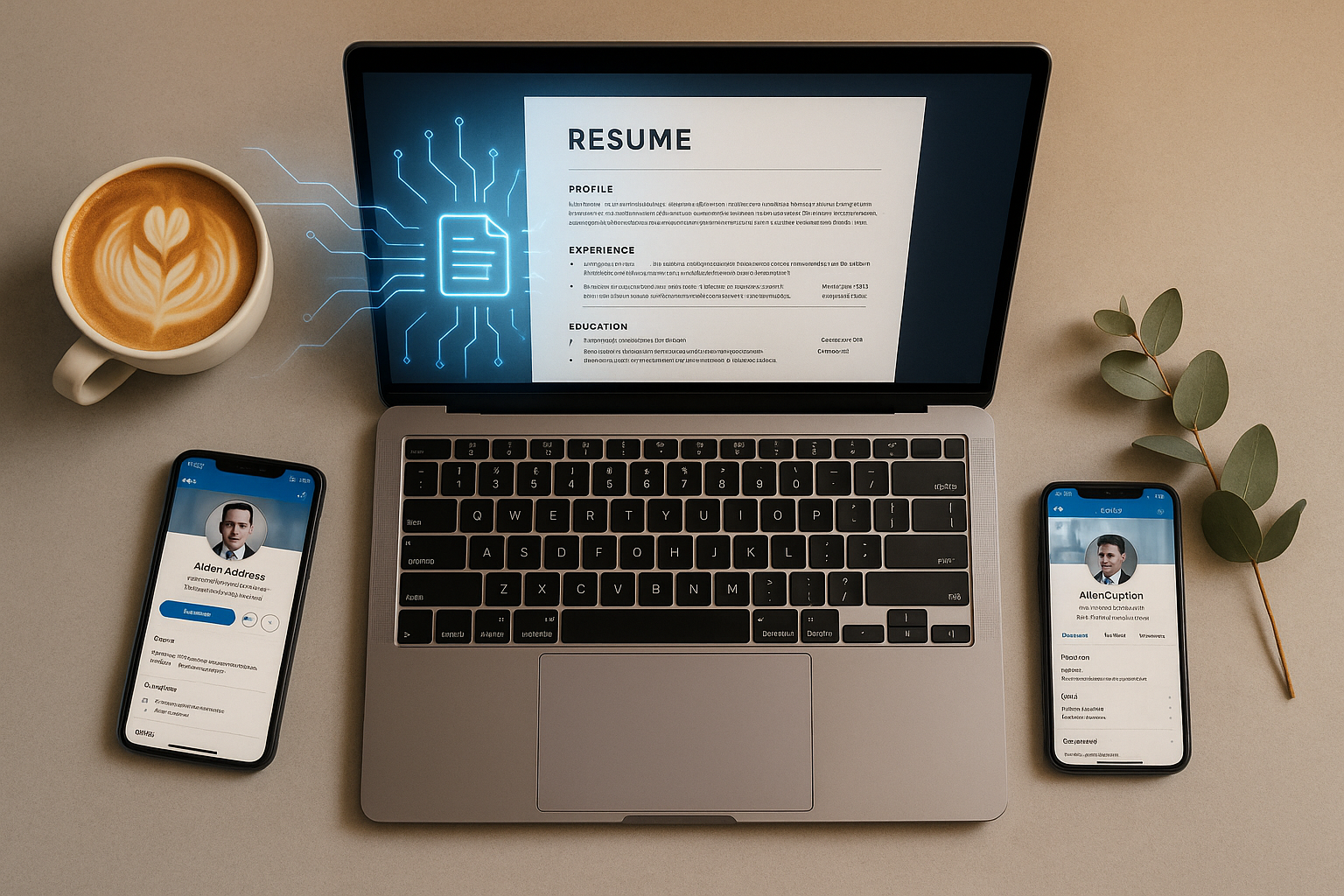
Walking through one product start to finish: you ask ChatGPT for ten underserved planner niches for the Australian market, and it suggests, say, a "fortnightly pay-cycle budget planner" — which fits how a lot of Australians are actually paid. You cross-check demand using Etsy's own search autocomplete and a keyword tool like Marmalead to confirm people are searching for it. You build the layout in Canva, keeping it clean and printable on standard A4. You export as a high-resolution PDF, and you write the listing description with ChatGPT's help — including clear instructions that this is a digital download, no physical item ships.
That last detail matters more than it sounds. The most common one-star reviews on printables come from buyers who didn't realise nothing was being posted to them. Spell it out in the title and the first line.
Setting up your Etsy shop from Australia — fees and currency explained
Etsy Payments is available in Australia, and deposits land in your AUD bank account. The complication is that Etsy operates in USD under the hood. The listing fee everyone quotes as "AU$0.29" is actually USD$0.20 converted — so it drifts as the dollar moves. With a weaker AUD, your costs quietly rise. There's also sometimes a one-time shop setup fee charged before you can finish registering; the amount isn't published in advance and catches new sellers off guard when they assumed listing fees were the only upfront cost.
Then there's the decision nobody warns you about: list your prices in AUD or USD? If your listing currency differs from your payout currency, Etsy adds a 2.5% currency conversion fee. Listing in AUD avoids that particular charge, but you still wear Etsy's conversion spread on the deposit side. Some higher-volume sellers route payouts through a Wise or similar multi-currency account to control the exchange rate they receive, which is worth investigating once you're doing real numbers.
What you actually keep on a AU$7.50 sale
This is the calculation no US guide does for Australians, so here it is properly. Say you price a planner at AU$7.50:
- Listing fee: ~AU$0.29 (variable, USD-denominated)
- Transaction fee (6.5%): AU$0.49
- Payment processing (roughly 3–4% + AU$0.25): ~AU$0.55
That's AU$1.33 gone before currency. If you listed in USD with an AUD payout, add the 2.5% conversion fee — another ~AU$0.19. You're netting roughly AU$5.98 on a AU$7.50 sale: an effective fee rate around 20%, not the "you keep 80%" that US guides quote (which, ironically, lands close — but only because they ignore the conversion losses on the bank-deposit side that erode it further).
It gets sharper at the higher end. Once a shop passes USD$10,000 in annual sales — roughly AU$15,500–16,000 at current rates, not AU$10,000 — Etsy's Offsite Ads become mandatory at 15%, with no opt-out. If an Offsite Ad drove that AU$7.50 sale, your net drops to about AU$5.10. The lesson: bake that 15% into your pricing strategy before you hit the threshold, not after it surprises you.
Getting found: SEO that isn't just keyword stuffing
Etsy search rewards relevance and recency. Use all 13 tags, make your title front-load the buyer's actual search phrase ("Fortnightly Budget Planner Printable A4 Australia"), and refresh or add listings regularly so the algorithm sees an active shop. ChatGPT is good for generating tag variations, but verify them against real search demand in Marmalead or Etsy's autocomplete — AI will happily invent keywords nobody searches.
External traffic is what separates the $400/month shops from the $2,000 ones. Pinterest is the standout for printables; a single well-pinned planner mockup can drive sales for months.
The legal and tax reality you can't skip
On copyright: AI-generated designs sit in genuinely grey territory. Canva's own assets are fine to use under their licensing, but pure AI-image output may not be protectable as your own IP, and you must avoid prompts that reproduce trademarked characters or branded styles. Read the licence terms of whichever generator you use.
On tax — and this is where Australians get caught — all Etsy income is assessable. A recurring myth in the AusFinance community is that a few hundred dollars "doesn't need declaring." It does. The $18,200 tax-free threshold applies to your total income across all sources, not to each side hustle separately. As general guidance, the ATO decides whether you're running a business (not just a hobby) based on intent to profit, repetition and scale — and that distinction determines whether you can deduct your Canva Pro, ChatGPT and Etsy fees. The detail of which deductions apply is worth understanding properly; this breakdown on how to declare AI side hustle income on your Australian tax return covers it, and you can verify current obligations by searching "selling online income" at ato.gov.au or asking a registered tax agent.
An ABN is free to register at abr.gov.au and is generally worth having once you're operating with profit intent — the question of whether you actually need an ABN for AI side income is worth thinking through early. GST registration only becomes compulsory at $75,000 turnover a year, which most part-time printables sellers won't reach. Helpfully, Etsy generally collects and remits GST on sales to Australian consumers as a marketplace facilitator — but confirm how that applies to you with an accountant rather than assuming.
Turning a few sales into something reliable
The shops that reach steady recurring revenue do three unglamorous things consistently: they upload regularly rather than in bursts, they build seasonal bundles that lift average order value, and they capture buyers onto a Pinterest following or email list so they're not wholly dependent on Etsy's search whims.
Priya didn't reach AU$680 a month by finding a magic prompt. She reached it by listing every week for six months, leaning into Australian-specific niches nobody else served well, and treating the fee maths as something to plan around rather than discover by accident. That's the realistic version — slower than the thumbnails promise, but real.
Author